


Balance Builds Healthy Bones
By Felicity Curtain, Accredited Practising Dietitian With 99 percent of the body’s calcium found within our bones, the well-known link between calcium-rich foods and strong bones is understandable. But calcium…

By Felicity Curtain, Accredited Practising Dietitian With 99 percent of the body’s calcium found within our bones, the well-known link between calcium-rich foods and strong bones is understandable. But calcium…
Leading researchers of whole grain intake recently proposed a set of best practice recommendations for other researchers to use when studying the effect of whole grain intake on health. This…

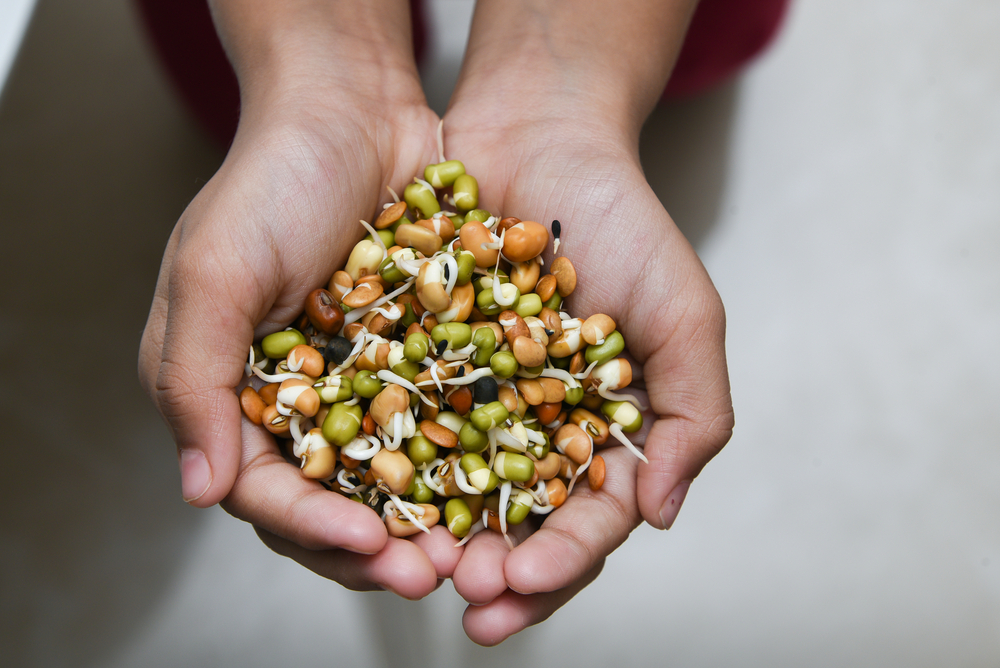
There is no standard definition of ‘sprouting’, however a ‘sprouted grain’ is generally described as a whole grain in the transition phase between a seed and a new plant. The…

Tim Stewart from the Sport Dietitians Association explains why carbohydrates are essential for active people and provides tips on how much carbohydrate to eat and when to aid performance and…
The Code of Practice for Whole Grain Ingredient Content Claims was launched by GLNC in 2013 and continues to be well received by industry with 15 manufacturers currently signed up…

To help keep our immune system on track this winter, many of us would benefit from taking a closer look at our lunch box or dinner plate before reaching for…

While life expectancies have never been higher so too are rates of chronic diseases, resulting in large number of people living for many years with disease. Type 2 diabetes, heart…
By Dr Jane Varney and Dr Jane Muir, Monash University Maintaining a healthy balance of good and bad bacteria in your gut? The human gut is home to trillions of…

By Regina Belski, BNutrDiet (Hons), GradCertTertEd, PhD (UWA), APD, La Trobe University What do you think of when you hear the word lupin? Pretty flowers? Stock feed? Well it’s time…

By Dr Alison Hill PhD, APD and Assoc Prof Alison Coates PhD, RNutr, University of South Australia Pulses are part of the legume family, the most common varieties being dried…
Key messages There is reasonable level of evidence from 13 observational studies for an association between diets high in whole grains and lower levels of the inflammatory marker CRP. There…

The glycemic index (GI) is used to rank carbohydrate-containing foods according to their effect on blood glucose levels after eating. Low GI foods are slowly digested and absorbed and so…

Go Grains Health & Nutrition. The Grains and Legumes Health Report. Go Grains Health & Nutrition Ltd. 2010 Food Standards Australia & New Zealand. NUTTAB 2010 Online Searchable Database. Accessed…

Fardet A. New hypotheses for the health-protective mechanisms of whole-grain cereals: what is beyond fibre? Nutrition research reviews. 2010;23(1):65-134. Williams PG, Grafenauer SJ, O’Shea JE. Cereal grains, legumes, and weight…

The 2014 Australian Grains & Legumes Consumption & Attitudinal Study is a nationally representative survey to track consumption and to understand Australians’ attitudes towards grain foods and legumes.

Legume Allergy Legumes are an important part of a healthy, balanced diet for most people. However, some people have conditions that require them to limit or avoid certain legumes. Regulations…

Many people don’t eat legumes for fear they will experience an increase in gas and flatulence. Legumes do contain galacto-oligosaccharides (GOS), small unabsorbed carbohydrates (fibres) that are rapidly fermented by…

Not all whole grain foods are the same. The whole grain content of foods can vary depending on the brand, serve size and ingredients used. For example, two slices of…