


Allergies and Intolerances to Grains
Grains are an important part of a healthy, balanced diet for most people. However, some people have conditions that require them to limit or avoid certain grain foods. Before cutting…

Grains are an important part of a healthy, balanced diet for most people. However, some people have conditions that require them to limit or avoid certain grain foods. Before cutting…

By Professor Peter Williams, Honorary Professorial Fellow at University of Wollongong and Adjunct Professor of Nutrition and Dietetics at the University of Canberra Breakfast cereal eaters are more likely to…

By Dr Jane Muir PhD (Head of Unit) and Dr Jane Varney PhD (Senior Research Dietitian) from the unit of Translational Nutrition Science, Department of Gastroenterology, Monash University. The Department…

The Code of Practice for Whole Grain Ingredient Content Claims (Code) was successfully launched by GLNC in July 2013. The Code provides guidance for the food industry for consistent messages…

Whole grains are nutrition powerhouses containing over 26 nutrients and bioactive substances including dietary fibres, vitamins, minerals, and a range of protective phytonutrients. Studies have shown that adults and children…
According to preliminary results of a nationally representative survey conducted by GLNC the majority of Australians, 75 per cent, may be putting their health at risk by not eating the…

FODMAPs refer to a group of small chained carbohydrates which are poorly absorbed in the small intestine and so pass into the large intestine where they are fermented by gut…

At the Dietitians Association of Australia National Conference in Brisbane in May 2014 Chris Cashman, GLNC Nutrition Project Officer, presented the whole grain findings from the GLNC 2014 Consumption and…

While a gluten-free diet is essential for people with coeliac disease, the scientific evidence indicates the avoidance of gluten offers little benefit for most people read more here. Despite a…

NHMRC. Australian Dietary Guidelines Providing the scientific evidence for healthier Australian diets. 2013 Accessed online January 2014. GLNC. Australian Grains and Legumes Consumption and Attitudinal Study: Project Gladius. Unpublished: 2014.…

A walk down the ‘health aisle’ of your local supermarket is a powerful demonstration of the popularity of the ‘free-from’ movement, including gluten-free and grain-free. But in the pursuit of…

Grains & Legumes Nutrition Council Written by Jessica Biesiekierski Overview The avoidance of wheat- and gluten-containing products is a worldwide phenomenon, where more than one million Australians purchase gluten-free products…
Current and accurate food composition data is the foundation of product claims, dietary modelling and health education programs. Data on soluble, insoluble and resistant starch content of Australian foods is…
Have you heard of lectins? They are a type of protein found in small amounts in over 30% of plant foods including grains and legumes. While they are not well…
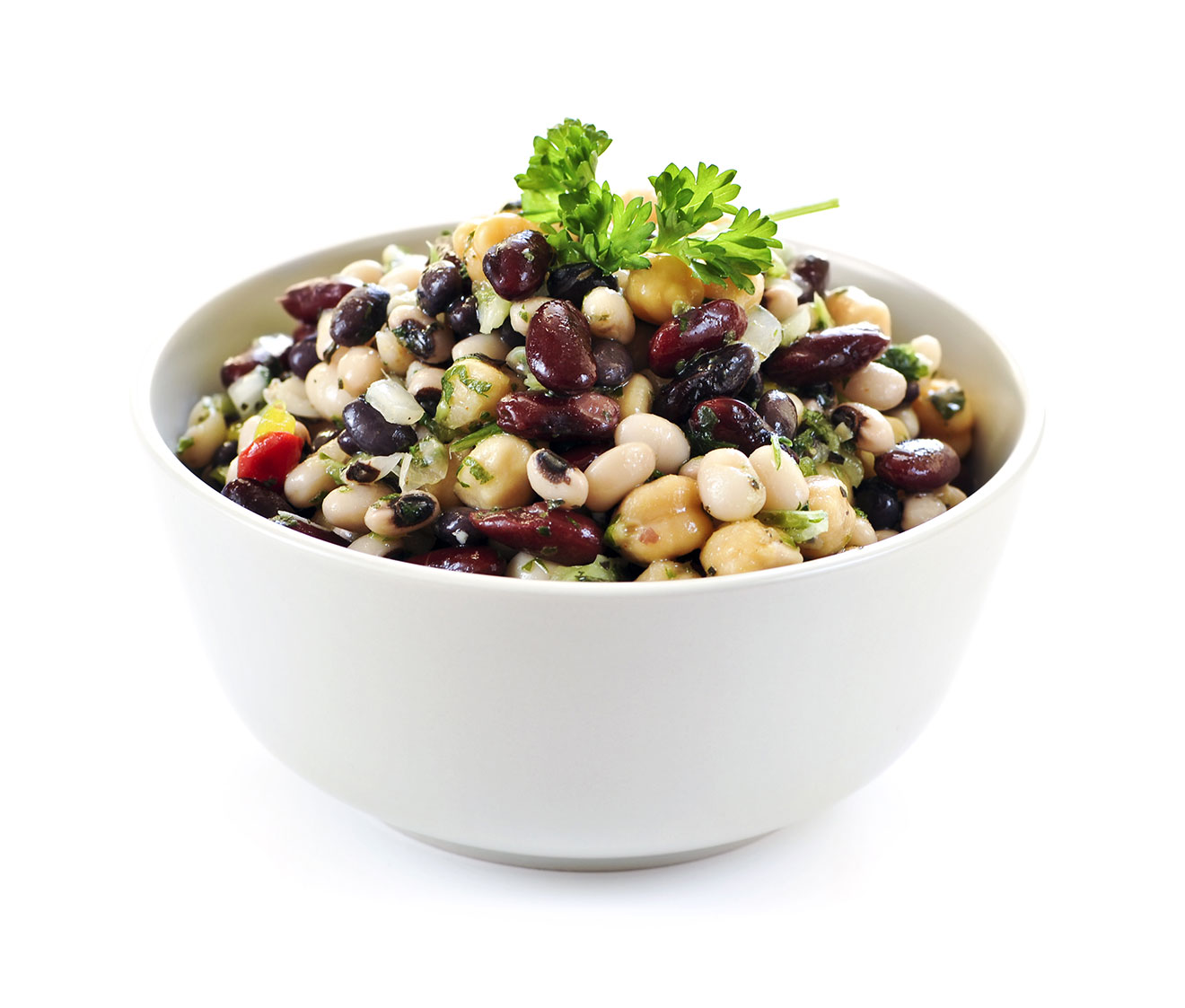
Australian cohort links between legume consumption and overall diet quality Article written by Joanna Russell, Associate Lecturer in the Faculty of Social Sciences at the University of Wollongong. Her research…

More than just fibre, non-starch polysaccharides may help your brain Article written by guest expert Dr Talitha Best, Central Queensland University and adjunct Research Fellow at the University of South…
A new industry code sets standard for whole grain ingredient content claims Do you know how much whole grain needs to be in your breakfast cereal, bread or crispbread for…

Noto H, Goto A, Tsujimoto T, Noda M (2013) Low-Carbohydrate Diets and All-Cause Mortality: A Systematic Review and Meta-Analysis of Observational Studies. PLoS ONE 8(1): e55030. Madzima, T. A., et…